Pasta E Fagioli
Share
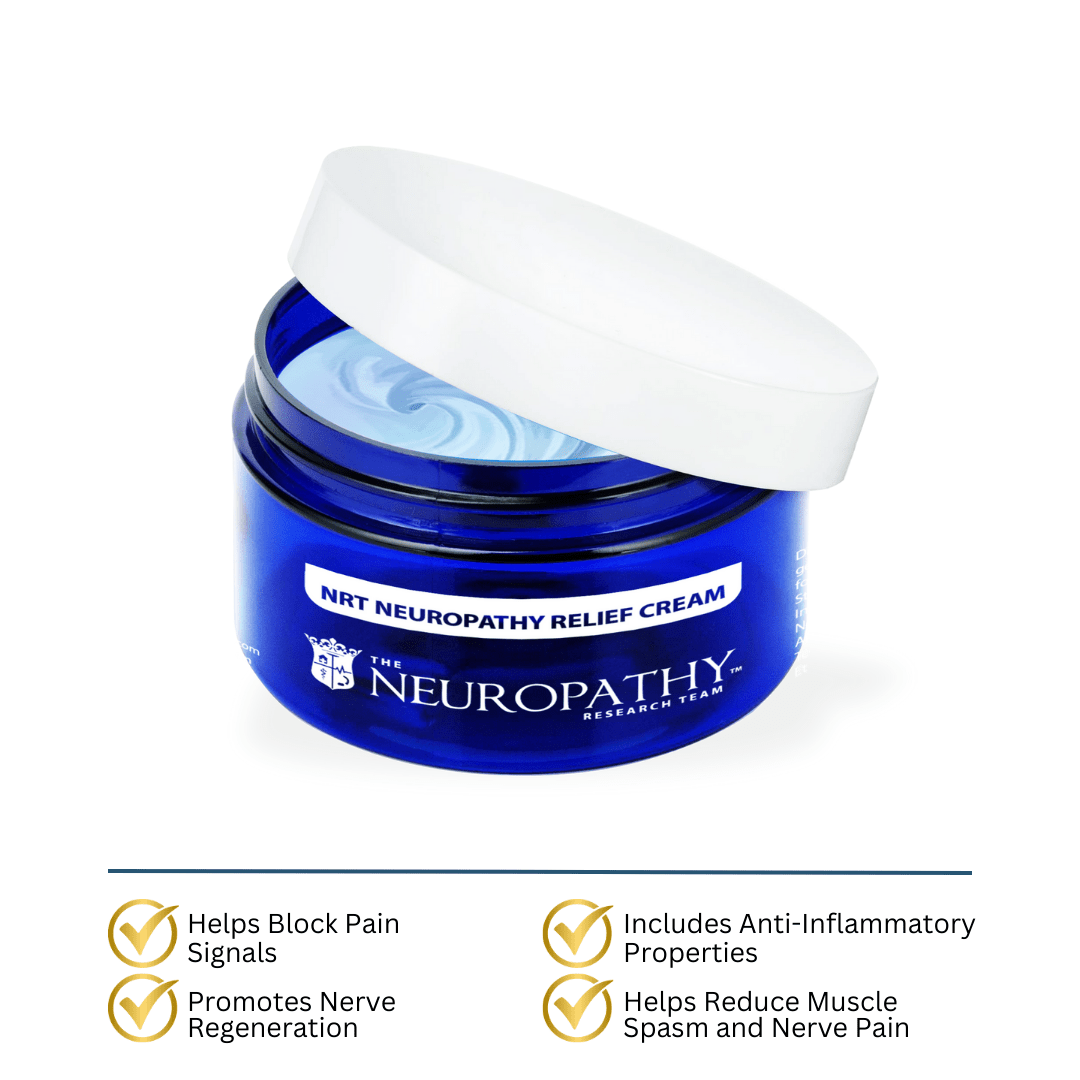
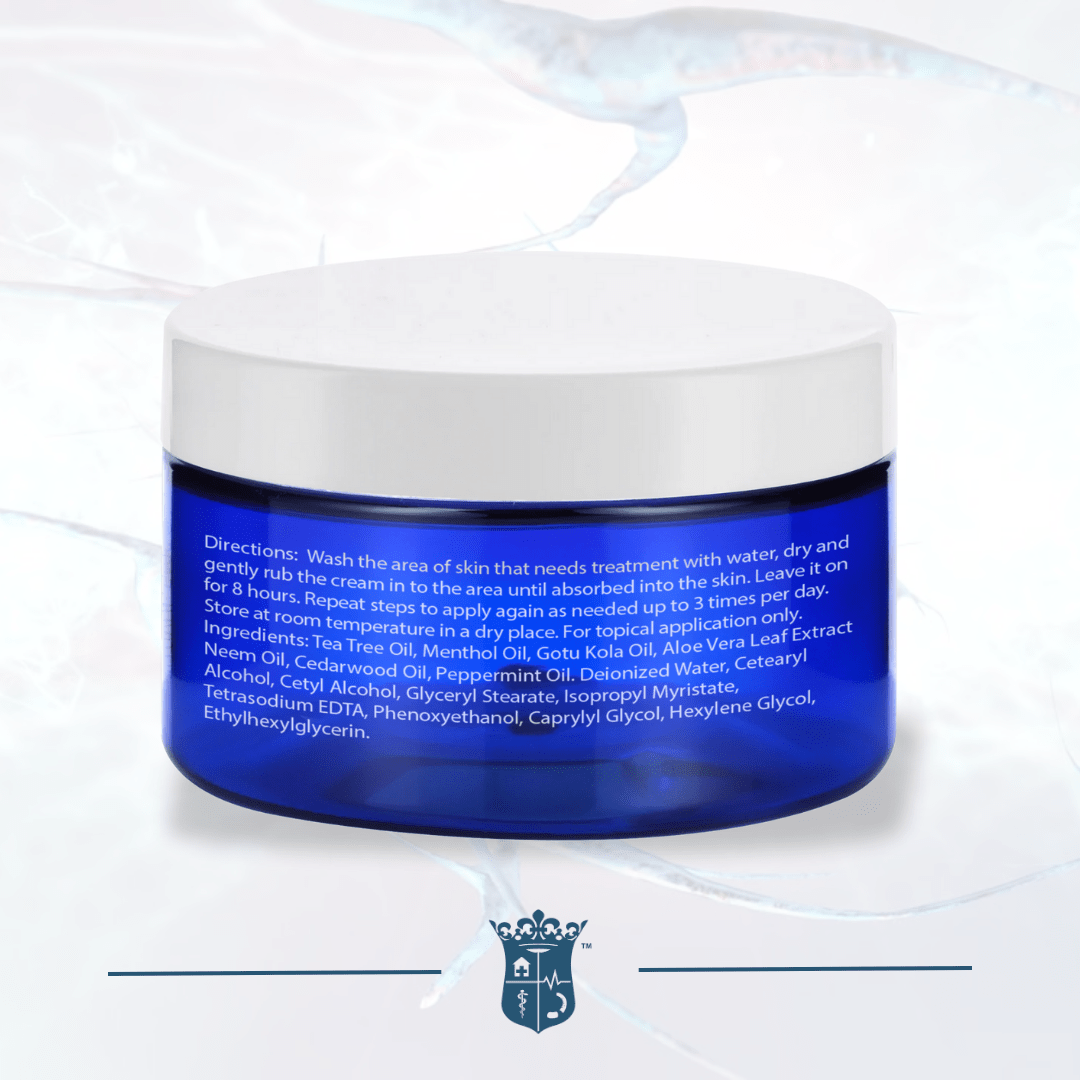
This hearty pasta and bean soup is Italian American comfort food at its best. When you use whole wheat pasta this is a healthy Mediterranean dish that will bring healthy benefits while helping you keep your neuropathy under control. Our cream is the best thing to help you to immediately get rid of neuropathy pain so you can get some sleep but neuropathy is kind of a roller coaster and eating healthy food over time will help your nerves to heal so you can have less and less painful episodes. Vitamins are very important to help your nerves heal as well. We have found that is takes several different modalities to keep neuropathy under control while you are healing.
Cannellini beans benefit neuropathy through their rich content of essential nutrients that support nerve function, manage inflammation, and help regulate blood sugar.
Key Benefits
- B Vitamins: Beans, including cannellini beans, are excellent sources of B vitamins like folate (B9) and thiamine (B1). These vitamins are vital for:
- Energy production in nerve cells.
- Nerve function and repair, helping nerves communicate effectively.
- Myelin sheath maintenance, the protective covering around nerves.
- Addressing deficiencies in B vitamins is crucial, as they can directly cause or worsen nerve damage and neuropathic pain.
- Magnesium: Cannellini beans contain magnesium, a mineral that helps regulate nerve signals and can have a beneficial effect on neuropathic pain by calming the nervous system.
- Antioxidants and Anti-inflammatory Properties: Cannellini beans are rich in polyphenols and other antioxidants that combat oxidative stress and chronic inflammation, both of which are significant factors in nerve damage and the progression of neuropathy.
- Blood Sugar Control: As low-glycemic, high-fiber foods, cannellini beans can help maintain stable blood sugar levels. This is particularly important for individuals with diabetes, as consistently high blood sugar is a primary cause of diabetic neuropathy.
- Improved Circulation: A diet rich in legumes, like cannellini beans, can improve arterial function and blood flow. Better circulation ensures that nerves receive the oxygen and nutrients they need to stay healthy and potentially heal.
By incorporating cannellini beans into a balanced, whole-food diet, individuals may help manage their neuropathy symptoms and support overall nerve health. Always consult with a healthcare professional to determine the best dietary plan for your specific health needs.
Onions benefit neuropathy by providing powerful antioxidants (like quercetin) and anti-inflammatory compounds that combat oxidative stress and inflammation, key drivers of nerve damage, while also supplying B vitamins (B6, folate) crucial for nerve health, repair, and function, potentially reducing pain and supporting nerve regeneration through their rich phytochemical profile.
How Onions Help
- Rich in Antioxidants: Onions are packed with flavonoids, especially quercetin, which neutralize harmful free radicals that damage nerve cells (neurons).
- Anti-inflammatory Properties: Compounds in onions, like quercetin, can inhibit inflammatory substances, reducing the inflammation associated with nerve pain and conditions like arthritis.
- Essential Vitamins: They provide B vitamins (like B6 and folate) and potassium, vital for nerve function, metabolism, red blood cell production, and overall cellular health.
- Organosulfur Compounds: These compounds contribute to the overall protective effects, supporting cardiovascular health and potentially reducing blood clotting, which benefits circulation to nerves.
- Neuroprotective Effects: Studies suggest onions and their constituents (like onionin A) offer neuroprotective benefits, helping to shield nerves from damage.
Key Compounds & Their Roles
- Quercetin: A powerful flavonoid that reduces inflammation and protects cells from oxidative stress.
- Organosulfur Compounds: Help lower blood pressure, cholesterol, and support diabetic health.
- B Vitamins (B6, Folate): Essential for nerve signaling and repair.
Practical Application
Incorporating onions into your diet provides a natural way to boost your intake of these beneficial compounds, supporting nerve health and potentially alleviating symptoms of neuropathy.
Carrots can benefit people with neuropathy due to their rich content of antioxidants and anti-inflammatory compounds, which help protect nerve cells and manage the underlying causes of nerve damage.
Key Benefits
- Antioxidant Effects: Carrots are an excellent source of beta-carotene and other carotenoids (like lutein and alpha-carotene) and polyphenols, which are powerful antioxidants. These compounds neutralize unstable molecules called free radicals and reduce the oxidative stress that can damage nerve cells and tissues, a major factor in chronic inflammation and conditions like diabetic neuropathy.
- Anti-Inflammatory Properties: The bioactive compounds in carrots, particularly in the root, have significant anti-inflammatory properties. They work by suppressing pro-inflammatory cytokines and regulating inflammatory pathways, which helps to reduce nerve inflammation that can cause pain, tingling, and burning sensations.
- Nervous System Support: The phytonutrients in pigment-rich foods like carrots help safeguard the nervous system. Carrots also contain nutrients like potassium and magnesium, which work together to support effective nerve function and the conduction of nerve messages.
- Nerve Cell Health and Repair: Carotenoids may help prevent neural damage and protect against mitochondrial dysfunction. The body converts beta-carotene into vitamin A, which is essential for overall nerve health and immune system function.
How to Incorporate Carrots into Your Diet
Carrots are a versatile and nutritious addition to a nerve-healthy diet:
- Raw or Cooked: Both raw and cooked carrots offer health benefits. Cooking can make carotenoids more accessible for absorption.
- Pair with Healthy Fats: Consuming carrots or carrot juice with a little bit of fat (e.g., avocado, nuts, olive oil) significantly improves the absorption of fat-soluble vitamins and antioxidants like beta-carotene and vitamin E.
- Versatile Options: Carrots can be enjoyed in soups, salads, juices, or as a simple snack.
Celery may benefit neuropathy by providing flavonoids like apigenin and luteolin, which reduce inflammation and oxidative stress linked to nerve damage, support nerve cell growth (neurogenesis), and help manage blood sugar, a common cause of neuropathy; however, more human studies are needed, as current evidence is mostly from animal research or small trials. Its antioxidants protect nerves, while compounds like luteolin show promise in mitigating diabetic nerve issues.
How Celery's Compounds May Help
- Antioxidant Power: Celery contains flavonoids (apigenin, luteolin, quercetin) that fight harmful free radicals, reducing oxidative stress that damages nerve cells, notes the National Institutes of Health (NIH).
- Anti-inflammatory Effects: Its flavonoids help suppress inflammation, a key factor in nerve damage and pain, says Cleveland Clinic Health Essentials.
Supports Nerve Growth: (Neurogenesis): Compounds like apigenin may promote the growth and protection of nerve cells, improving nerve function.
- Blood Sugar Regulation: By improving insulin sensitivity and glucose uptake, celery may help control diabetes, a primary driver of neuropathy.
Research Highlights
- Animal studies suggest flavonoids in celery, like luteolin, help with diabetic neuropathy.
- A small human study showed celery leaf extract lowered blood glucose in prediabetics, suggesting a role in managing symptoms.
- One case report noted significant relief from severe diabetic neuropathy with dietary changes including celery juice, alongside other therapies, according to National Institutes of Health (NIH).
Garlic may benefit neuropathy through its anti-inflammatory, antioxidant, and circulation-boosting properties, which help protect nerve cells from damage and can alleviate pain. Its active compounds have shown promise in preclinical studies, but it is not a substitute for conventional medical treatment.
Mechanisms of Action
Garlic contains potent organosulfur compounds like allicin, diallyl disulfide (DADS), and S-allyl-cysteine (SAC), which contribute to its potential neuroprotective effects.
- Anti-Inflammatory Effects: Neuropathy is often associated with inflammation of the nerves and surrounding tissues. Garlic compounds can inhibit inflammatory enzymes and pro-inflammatory markers (cytokines), which helps reduce nerve swelling and pain.
- Antioxidant Properties: Oxidative stress from free radicals is implicated in the pathophysiology of many neurodegenerative diseases and nerve damage. Garlic acts as a powerful antioxidant, scavenging reactive oxygen species (ROS) and enhancing the body's natural antioxidant enzymes, thereby protecting nerve cells from damage.
- Improved Circulation: Garlic can enhance blood flow by helping blood vessels relax, ensuring that oxygen and essential nutrients more effectively reach affected nerve areas. Proper circulation is vital for nerve tissue repair and recovery.
- Neuroprotection: Studies suggest that garlic components, particularly Aged Garlic Extract (AGE) and SAC, may protect neuronal cells from toxicity and programmed cell death (apoptosis).
- Potential for Diabetic Neuropathy: Garlic's ability to help regulate blood sugar, improve insulin sensitivity, and lower cholesterol may indirectly help manage diabetic neuropathy, a common type of nerve damage caused by high blood sugar levels.
You can use any small pasta shape, such as tubettini, elbow macaroni, or small shells, in place of ditalini. To make the soup vegetarian, omit the pancetta and substitute vegetable broth for the chicken broth. I like to use Morning Star Breakfast Strips. Take a few strips and sauté them in avocado oil until they are crispy and then crunch them up for nice pieces in the soup. They add a wonderful flavor!
Pasta E Fagioli Ingredients:
2 (15-ounce) cans cannellini beans, rinsed, divided
1 cup water
2 tablespoons extra-virgin olive oil, plus extra for drizzling
2 onions, chopped fine
2 carrots, peeled and chopped fine
1 celery-rib, chopped fine
2 ounces pancetta, chopped fine or Morning Star Vegetarian Breakfast Strips
¾ teaspoon salt
½ teaspoon pepper
2 tablespoons tomato paste
4 garlic cloves, minced
¼ teaspoon red pepper flakes (optional)
4 cups chicken or vegetable broth
1 cup ditalini
2 ounces Parmesan cheese, grated (1 cup), plus extra for serving
½ cup finely chopped fresh basil
Pasta E Fagioli Instructions:
1. Process 1 can of beans and water in food processor until smooth, about 30 seconds. Set aside.
2. Heat oil in large saucepan over medium heat until shimmering. Add onions, carrots, celery, pancetta or breakfast strips, salt, and pepper and cook until vegetables are softened, about 10 minutes.
3. Add tomato paste, garlic, and pepper flakes, if using, and cook until fragrant, about 2 minutes. Stir in broth, pureed bean mixture, and remaining can of beans. Bring to boil; reduce heat to medium low; and simmer, stirring occasionally, until flavors have melded, about 10 minutes.
4. Increase heat to medium and bring to boil. Add pasta and cook, stirring occasionally, until pasta is al dente, about 12 minutes. Off heat, stir in Parmesan and basil. Serve, drizzled with extra oil and passing extra Parmesan separately.
TO MAKE AHEAD: At end of step 3, let soup cool completely. Refrigerate soup for up to 2 days or freeze for up to one month. Let the frozen soup thaw completely in refrigerator before reheating. To serve, bring soup to boil and continue with step 4.
This dish would be great with a salad and some crusty whole wheat sour dough bread.